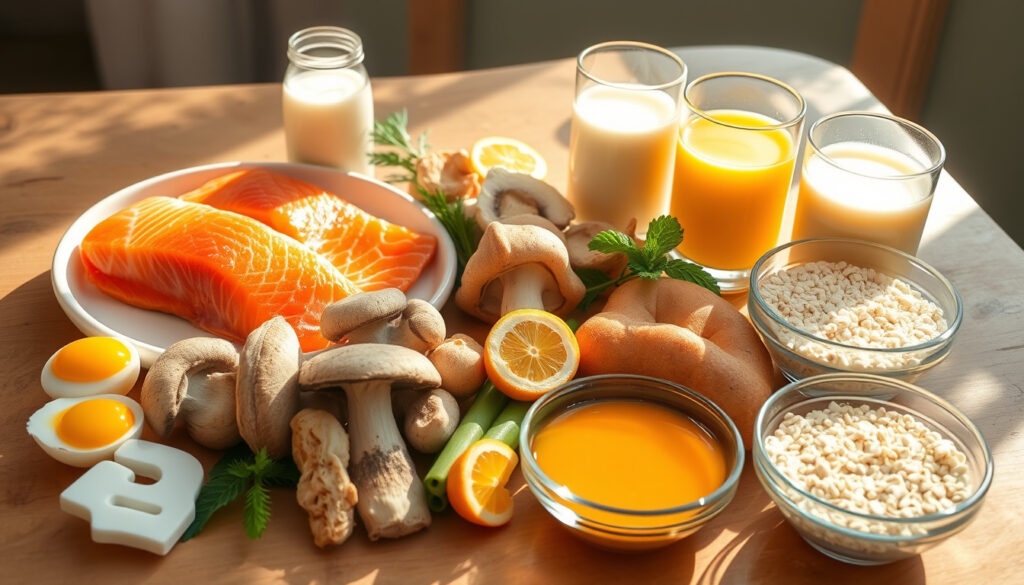
Vitamin D Foods: Best Natural and Fortified Sources
If you’ve been told to boost your vitamin D but dread swallowing supplements, here’s some good news: plenty of everyday foods deliver this nutrient naturally. The trick is knowing which ones actually pack a punch—and how much you need to eat to feel the difference.
Richest natural sources: oily fish like salmon, sardines, herring, mackerel · Other key foods: egg yolks, liver, red meat · Fortified options: cow’s milk, soy milk, orange juice
Quick snapshot
- Oily fish are the richest natural sources per HSE.ie
- Wild-caught salmon delivers 600–1,000 IU per 3.5 oz (WebMD’s food database)
- Vitamin D3 raises blood levels more effectively than D2 per Harvard Nutrition Source
- Exact vitamin D levels in less common fruits
- Standardized baby food fortification guidelines across regions
- Healthline updated fish IU data in January 2026
- USDA Dietary Guidelines published vitamin D food sources PDF in August 2024
- Incorporate at least one oily fish serving daily for measurable intake
- Choose fortified staples if natural sources are limited
The table below summarizes verified vitamin D content across the most reliable food sources, drawing from multiple tier-2 health databases.
| Food source | Vitamin D content | Source |
|---|---|---|
| Wild-caught salmon (3.5 oz) | 600–1,000 IU | WebMD food database |
| Farmed Atlantic salmon (100g) | 441 IU | Healthline nutrition guide |
| Mackerel (100g) | 643 IU | Healthline nutrition guide |
| Canned sardines (100g) | 193 IU | Healthline nutrition guide |
| Herring, grilled (100g) | 16.1 mcg (644 IU) | British Heart Foundation |
| Cod liver oil (1 tsp) | 450 IU | Healthline nutrition guide |
| Fortified cow’s milk (serving) | 115 IU | FCCMG health blog |
| Fortified orange juice (serving) | 105 IU | FCCMG health blog |
“Few foods naturally contain vitamin D, though some foods are fortified with the vitamin.”
— Harvard T.H. Chan School of Public Health, Nutrition Source
Which foods are high in vitamin D?
Few foods naturally contain vitamin D, which is why health authorities consistently point to a short list of options. Oily fish head that list by a wide margin, with smaller contributions from egg yolks, liver, and red meat. For those who don’t eat fish regularly, fortified staples fill most of the gap.
Oily fish
Salmon, sardines, herring, and mackerel provide the highest natural vitamin D per serving. Wild-caught salmon delivers 600–1,000 IU per 3.5 ounces, according to WebMD’s food database. Farmed Atlantic salmon contains less—about 441 IU per 100 grams—but still ranks among the top sources. Mackerel edges out most other fish at 643 IU per 100-gram serving, per Healthline.
- Salmon (wild-caught): 600–1,000 IU per 3.5 oz
- Mackerel: 643 IU per 100g
- Canned sardines: 193 IU per 100g
- Atlantic herring: 167 IU per 3.5 oz
A 2019 study found that Baltic Sea salmon provides 556–924 IU per 3.5-ounce serving—significantly higher than typical farmed varieties. This regional variation matters if you’re comparing sources from different markets.
Eggs and meat
Egg yolks contribute modest amounts—roughly 20 IU per yolk according to WebMD’s food database. Free-range eggs may deliver more, though levels vary based on the hen’s diet and sun exposure. Liver and red meat add small quantities, making them secondary rather than primary sources.
Fortified foods
Because natural vitamin D is scarce in plant and dairy foods, many countries mandate fortification. In the United States, cow’s milk is fortified to approximately 115 IU per serving. Fortified orange juice provides around 105 IU. Soy, almond, and oat milks offer 100–144 IU per cup, according to WebMD’s food database. These options won’t match a salmon fillet, but they steady your daily intake.
For someone who avoids fish, relying solely on fortified milk and juice may leave you short of the 600–800 IU daily target most adults need. Combining two or three fortified options with occasional oily fish gets you closer reliably.
“On average, wild-caught salmon has more vitamin D than farmed salmon.”
— Taylor Jones, RD, Registered Dietitian via Healthline
Which food is highest in vitamin D?
Wild-caught salmon claims the top spot among common foods. A single 3.5-ounce serving delivers up to 1,000 IU—more than the recommended daily allowance for most adults. Farmed salmon offers roughly half that amount, but remains a solid choice.
Oily fish rankings
When ranked by IU per standard serving, the hierarchy is clear: wild salmon and mackerel lead, followed by herring, sardines, and trout. Rainbow trout provides 645 IU per 3 ounces, nearly matching mackerel. Sockeye salmon offers 570 IU per 3 ounces. Cod liver oil stands apart as a supplement-food hybrid, delivering 450 IU per teaspoon.
The rankings below show how each fish type compares when you account for standard serving sizes used in clinical and dietary guidelines.
| Fish type | Serving size | Vitamin D | Source |
|---|---|---|---|
| Wild-caught salmon | 3.5 oz | 600–1,000 IU | WebMD food database |
| Mackerel | 100g | 643 IU | Healthline nutrition guide |
| Rainbow trout | 3 oz | 645 IU | GoodRx health guide |
| Herring (grilled) | 100g | 16.1 mcg (644 IU) | British Heart Foundation |
| Sockeye salmon | 3 oz | 570 IU | GoodRx health guide |
| Canned sardines | 100g | 193 IU | Healthline nutrition guide |
| Cod liver oil | 1 tsp | 450 IU | Healthline nutrition guide |
The pattern shows oily fish dominating the top positions, with mackerel and rainbow trout nearly matching wild salmon. The serving size matters: smaller portions of high-IU fish still outperform larger servings of lower-IU options.
Portion sizes from guidelines
The USDA Dietary Guidelines list standard portions for vitamin D sources, with 3–4 ounces of cooked fish as a typical serving. One serving of oily fish several times per week, combined with fortified foods, represents a realistic dietary pattern for most people.
Wild-caught salmon costs significantly more than farmed, and sourcing varies by region. If budget or availability limits wild options, farmed Atlantic salmon still provides 441 IU per 100 grams—roughly 70% of the wild-caught average.
What fruit is high in vitamin D?
This is where the news gets uncomfortable: no common fruit delivers meaningful vitamin D naturally. The nutrient occurs primarily in animal products and UV-exposed mushrooms. Some manufacturers have begun fortifying fruit juices and dried fruit products, but these remain niche options.
Natural fruits
Standard fruits—citrus, berries, bananas, apples—contain negligible vitamin D. This reflects biology rather than a dietary gap: vitamin D synthesis in plants follows different pathways than in animals. A person seeking this nutrient from fruit alone will not find it.
Vitamin D-enriched fruits
According to the British Heart Foundation, vitamin D-enriched fruits exist as specialty products, but they are not widely available in most markets. Fortified orange juice offers the closest practical alternative—it provides roughly 105 IU per serving and is widely accessible.
If you’re hunting for vitamin D in the fruit aisle, you won’t find it. Focus on fortified juices or mushrooms instead, and reserve fruit for its other nutritional benefits.
What drink is high in vitamin D?
Beverages contribute vitamin D primarily through fortification. Cow’s milk, plant-based alternatives, and orange juice lead the list. The amounts are modest compared to oily fish, but daily consumption adds up.
Fortified milk and juices
Fortified cow’s milk provides approximately 115 IU per serving. Fortified orange juice delivers around 105 IU per serving. In the United States, these fortification levels are standardized per USDA Dietary Guidelines. One cup of fortified soy, almond, or oat milk offers 100–144 IU, according to WebMD’s food database.
- Fortified cow’s milk: 115 IU per serving
- Fortified orange juice: 105 IU per serving
- Fortified soy/almond/oat milk: 100–144 IU per cup
Other beverages
Some energy drinks and nutritional beverages include vitamin D, but levels vary widely by brand. Cod liver oil—technically a supplement—is the most potent liquid source at 450 IU per teaspoon. For most people, fortified milk or juice at breakfast and dinner covers a reliable baseline.
Drinks provide steady, incremental doses rather than large single servings. Two glasses of fortified milk daily (230 IU) plus one glass of fortified juice (105 IU) reaches 335 IU before accounting for other foods—a solid foundation but not a complete solution.
How to raise vitamin D quickly?
Speed matters when addressing a deficiency, and food offers a practical first step. While sunlight remains the fastest route to vitamin D synthesis, dietary changes work within days to weeks. Combining food sources with brief sun exposure accelerates results.
Incorporate top foods
One serving of oily fish delivers more vitamin D than several days of fortified beverages combined. Wild-caught salmon, mackerel, or herring eaten 2–3 times per week provides a strong foundation. Adding cod liver oil or fatty fish like sardines on alternate days further boosts intake.
- Grilled salmon fillet (4 oz): 800–1,100 IU
- Mackerel (100g): 643 IU
- Fortified milk (2 cups daily): 230 IU
- Fortified orange juice (1 cup): 105 IU
The implication: prioritizing fish over fortified beverages delivers faster results, with fortified drinks serving as daily maintenance between fish servings.
Daily intake tips
For quick results, prioritize fish first. If you eat fish three times weekly, pair it with fortified milk at breakfast and fortified juice at lunch. One scientific study confirmed that vitamin D-fortified foods efficiently raise serum levels when consumed consistently. Aiming for 100% of the daily target through food alone is achievable with planning.
Vegetarians face a harder path: mushrooms provide D2 but at lower amounts than animal sources. UV-exposed shiitake and maitake mushrooms offer 100 IU per 3.5 ounces, according to Chiropractic San Antonio. Fortified plant milks fill the remaining gap.
How to get enough vitamin D from food
Building a practical eating plan takes the mystery out of hitting your daily target. The steps below outline a realistic approach for most adults, combining natural sources with fortified staples.
Step 1: Start with fortified breakfast
Pour a cup of fortified milk or fortified orange juice with your morning meal. This alone covers roughly 105–115 IU before you leave the house. Making this a daily habit creates a reliable baseline.
Step 2: Add fish twice a week
Schedule two servings of oily fish per week—salmon, mackerel, sardines, or herring. A 4-ounce portion of wild salmon delivers 800–1,000 IU. Even farmed salmon gets you close to 600 IU. Keep portions simple: grilled, baked, or canned in water all count.
Step 3: Include a third fish or fortified option
On the third or fourth day of the week, add sardines on toast, fortified tofu, or a second serving of fortified milk. This prevents gaps on non-fish days.
Step 4: Consider a daily supplement for gaps
If your diet skews vegetarian or you avoid dairy entirely, a vitamin D supplement bridges the remaining gap. Harvard Nutrition Source notes that vitamin D3 raises blood levels more effectively than D2. Food sources remain preferable when possible, but supplements serve as reliable backup.
Most adults can reach 600–800 IU daily through food alone if they include fish and fortified staples consistently. The difference between reaching that target and falling short often comes down to whether fortified milk or juice appears in the daily routine.
Understanding vitamin D forms: D3 vs D2
Vitamin D appears in two forms: D3 (cholecalciferol) and D2 (ergocalciferol). The difference matters for absorption. According to the Harvard Nutrition Source, D3 is more effective at raising blood levels than D2.
- Vitamin D3: animal-derived, found in fish, egg yolks, meat. Higher bioavailability.
- Vitamin D2: plant-derived, found in UV-exposed mushrooms and some fortified vegan products.
Natural vitamin D from food and sunlight may be preferable culturally, but synthetic D3 in supplements performs equally well. Mushrooms exposed to UV radiation produce D2, making them a plant-based option—but one that requires careful sourcing to ensure adequate levels.
If you follow a vegetarian diet, prioritize UV-exposed mushrooms and fortified plant milks. The D2 they provide is functional, though slightly less potent than D3 from fish sources. Supplementing with D3 specifically sourced from lichen preserves the vegan label while delivering the more effective form.
Summary
Oily fish remain the undisputed champion of natural vitamin D, with wild salmon delivering up to 1,000 IU per serving—roughly the full daily target for most adults. Fortified milk and juice provide reliable backup for those who eat fish infrequently, though the amounts per serving are smaller. For someone building a practical eating plan, the choice is straightforward: make salmon or mackerel a twice-weekly habit, add fortified milk or juice daily, and fill remaining gaps with eggs, fortified tofu, or UV-exposed mushrooms. Those who skip fish entirely should consider a D3 supplement sourced from lichen to avoid falling short.
Related reading: Nutrition in Cotton Candy Grapes · Mother Energy Drink Nutrition Facts
Beyond oily fish and fortified milk, IU-ranked vitamin D sources ranks additional top vitamin D foods by international units for precise dietary planning.
Frequently asked questions
What are signs of low vitamin D?
Common signs include fatigue, bone pain, muscle weakness, and frequent illness. Severe deficiency can lead to osteomalacia in adults or rickets in children. A blood test confirming serum 25(OH)D levels below 20 ng/mL indicates deficiency.
How to get 100% vitamin D daily?
Eating 4 ounces of wild salmon provides roughly 100% of the daily target in one meal. Pairing this with two cups of fortified milk (230 IU) and one cup of fortified juice (105 IU) exceeds the target comfortably. Consistency across the week matters more than any single meal.
What drains vitamin D from your body?
Conditions that impair fat absorption—such as Crohn’s disease, celiac disease, or gastric bypass surgery—reduce vitamin D uptake regardless of intake. Certain medications, including steroids and weight-loss drugs, also accelerate depletion. Kidney or liver disease impairs conversion to the active form.
Are there vitamin D vegetables?
Mushrooms are the closest vegetable source. UV-exposed shiitake and maitake mushrooms produce vitamin D2, offering roughly 100 IU per 3.5 ounces. No standard vegetables—leafy greens, root vegetables, or legumes—contain meaningful vitamin D naturally.
What are the top 10 vitamin D foods?
Wild salmon, mackerel, rainbow trout, herring, sardines, cod liver oil, farmed salmon, canned tuna, fortified milk, and fortified orange juice. Oily fish dominate the top positions; fortified beverages and eggs fill the remaining slots.
Vitamin D foods for babies?
Breastfed infants typically need a vitamin D supplement since breast milk contains minimal vitamin D. Infant formula is fortified to supply the full daily requirement. For babies starting solids, fortified cereals and egg yolk (introduced after 6 months) contribute small amounts. Consult a pediatrician before introducing supplements to infants.
Do supplements replace foods?
Supplements can prevent deficiency, but whole foods offer additional nutrients that supplements miss. Salmon provides omega-3 fatty acids, protein, and selenium alongside vitamin D. Fortified milk delivers calcium and vitamin B12. A food-first approach builds a broader nutritional base, with supplements filling gaps rather than replacing meals.
More related posts
 Chris Robinson: Singer, Actor, and the Kate Hudson Connection
 Frankie Muniz: From Malcolm in the Middle to NASCAR Driver
 Cast Iron Plant Care Guide: Growing Aspidistra Elatior
 Rhaegar Targaryen: The Tragic Prince of Westeros Explained
 Best Performing Super Funds in Australia: Top 10 Ranked
 Gary Sweet: Biography, Net Worth, Children, and Iconic Roles
 BYD Sealion 6 – Price, Specs and Australia Launch
 Veet Hair Removal Cream for Pubic Hair: Safety and How to Use