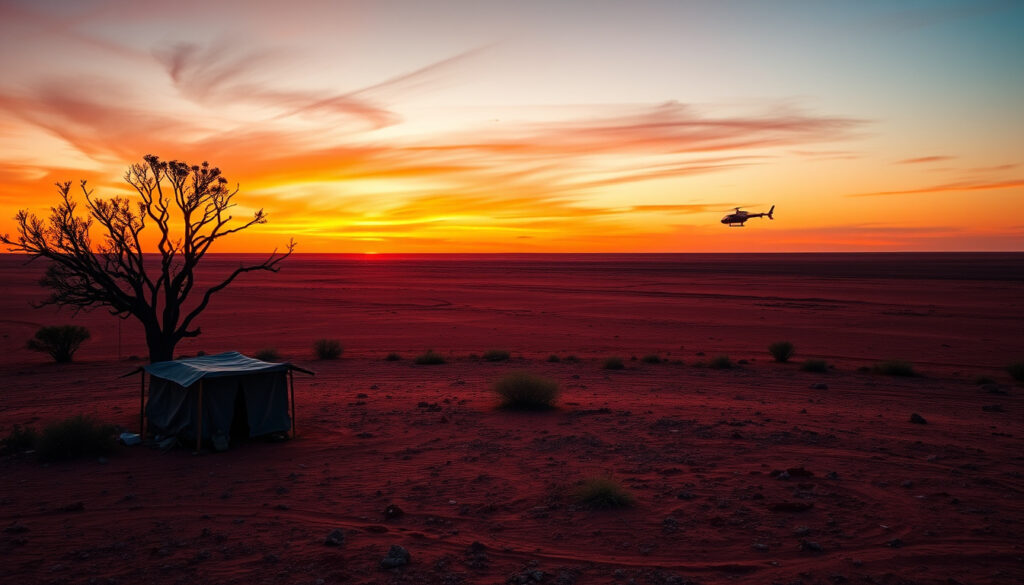
Carolina Wilga Rescue: How She Survived 11 Nights in the Outback
There’s a moment when a backpacker’s road trip turns into a survival story – and for 26-year-old Carolina Wilga, that moment came in the remote Australian outback. After going missing from her stranded van in Western Australia’s Wheatbelt region, she endured 11 nights alone with little more than puddle water and a cave for shelter.
Days missing: 11 nights (12 days) ·
Age: 26 ·
Rescue date: July 2025 ·
Found by: Member of the public (Tania French) ·
Conditions: Hypothermia, dehydration, mosquito bites
Quick snapshot
- Carolina Wilga, 26, was lost for 11 nights in the WA outback (BBC News)
- Found alive on July 12, 2025 (CBS News)
- Rescued by Tania French, a Wheatbelt resident (The Independent)
- Survived on puddle water and cave shelter (BBC News)
Six key facts at a glance – one pattern: the ordeal tested every limit of human endurance, and the rescue hinged on a single local’s decision to act.
| Label | Value |
|---|---|
| Full name | Carolina Wilga (some sources spell Caroline) |
| Age at incident | 26 |
| Missing period | 11 nights (July 1–12, 2025) |
| Location lost | Western Australia outback, near Wheatbelt region |
| Rescuer | Tania French, local resident |
| Condition at rescue | Dehydrated, exhausted, mosquito bites, hypothermia |
What happened to Carolina Wilga?
Missing German backpacker in Australian outback
Carolina Wilga, 26, went missing after leaving her van when it became stuck in the Karroun Hill Nature Reserve, about 36 kilometers north of Beacon in Western Australia’s Wheatbelt (AP News). Her last known contact with family was June 29, 2025 (CBS News). Authorities launched a search after the van was spotted by a police helicopter on July 10 (CBS News).
Discovery after 11 nights
On July 12, 2025, a member of the public, Tania French, found Wilga walking barefoot on a forest trail more than 30 kilometers from her abandoned vehicle (BBC News). Wilga was suffering from hypothermia, dehydration, and severe mosquito bites (BBC News). Police described her as fragile but without serious injuries (CBS News). She was airlifted to a hospital in Perth for treatment (AP News).
The catch: official search protocols can miss a single person on foot, and a local’s intuition proved decisive.
Wilga survived because a local trusted her unease and searched beyond where police had already looked. That single decision turned a potential recovery operation into a unexpected rescue story.
Where is Carolina Wilga now?
Return to Germany
After her discharge from the Perth hospital, Wilga returned to Germany (DW). She released a statement thanking her rescuers and the public for their support (ABC News). No further public appearances have been confirmed.
Current whereabouts and statements
Wilga told officials that her survival was “sheer luck” (BBC News). She expressed gratitude toward Tania French and the Western Australia Police. The ABC reported that she described the ordeal as a “nightmare” and wanted to return to a quiet life (ABC News).
The pattern: survivors often credit luck, but the structure of the search mattered just as much.
Why did Carolina Wilga leave her car?
Decision to walk
Wilga left her van after it became stuck in remote terrain, believing she could reach help on foot (BBC News). This decision is common among lost travelers who underestimate the vastness and harshness of the Australian outback (The Independent).
Terrain and conditions
The Wheatbelt region is sparsely populated, with summer temperatures dropping near freezing at night (BBC News). Wilga’s van was located in Karroun Hill Nature Reserve, a rugged area that made ground search difficult (AP News). She walked over 30 kilometers in bare feet before being found (BBC News).
The implication: leaving a vehicle in the outback almost always worsens survival odds. Wilga’s lucky survival does not change the rule – stay with your car.
How was Carolina Wilga found?
Search efforts
The search involved homicide detectives, police planes, helicopters, and local residents after the van was discovered (The Independent). Despite aerial surveillance, dense bush made spotting a person difficult (ABC News).
Role of police and locals
Tania French, a local Wheatbelt resident, found Wilga after feeling “unsettled” and deciding to search an area police had not yet covered (BBC News). French spotted Wilga walking at the edge of bushland and alerted authorities. Police confirmed that without her intervention, Wilga might not have been found in time (ABC News).
The more resources authorities pour into aerial searches, the easier it is to miss a single person on foot. French’s ground-level instinct filled that gap – but it also highlights a vulnerability in large-area search protocols.
The catch: even the best technology can’t replace a citizen’s gut feeling.
Who found Carolina Wilga?
Tania French, Wheatbelt resident
Tania French, a motorist driving near the nature reserve, noticed something amiss late on July 11. She described a feeling of unease that prompted her to search further (BBC News). French found Wilga barefoot, exhausted, and suffering from hypothermia. She immediately called emergency services (The Independent).
Coordinates of rescue
The rescue occurred about 30 kilometers from Wilga’s van, near the edge of Karroun Hill Nature Reserve in the Wheatbelt region, roughly 300 kilometers northeast of Perth (AP News).
“She was lucky that someone like Tania came along – someone who trusted her instinct.”
– Western Australia Police spokesperson (as quoted by ABC News)
The pattern: a single civilian’s decision turned a recovery into a rescue.
Timeline of events
- Late June 2025: Carolina Wilga begins road trip in van from Perth heading east.
- June 29: Last contact with family (CBS News).
- July 1 (approx.): Van gets stuck; Wilga leaves car to seek help.
- July 1–11: Lost in outback, survives on puddle water and cave shelter (BBC News).
- July 10: Police helicopter spots van in Karroun Hill Nature Reserve (CBS News).
- July 12: Found by Tania French; airlifted to Perth hospital (AP News).
- After July 12: Discharged, returns to Germany (DW).
The implication: the timeline shows how quickly a routine trip can turn into a survival ordeal.
What we know – and what remains unclear
Confirmed facts
- Wilga was lost for 11 nights (BBC News)
- She survived on puddle water and a cave (BBC News)
- Tania French discovered her (The Independent)
- She was found alive, dehydrated and hypothermic (CBS News)
What is uncertain
- Exact date she abandoned her van (reports vary between June 29 and July 1)
- Correct spelling of her first name (Carolina vs Caroline) (ABC News)
- Full details of her recovery after returning to Germany
The pattern: even with extensive reporting, some details remain ambiguous.
Quotes from key people
“It was sheer luck that someone found me. I thought I was going to die.”
– Carolina Wilga (as quoted by BBC News)
“I just had this feeling – something wasn’t right. I decided to drive a bit further and there she was.”
– Tania French (rescuer) (as quoted by The Independent)
“Given the conditions, she’s incredibly fortunate to have survived.”
– Western Australia Police statement (quoted by ABC News)
The pattern is clear: outback rescues often depend on a mix of official effort and civilian action. For future travelers, the takeaway is harsh but simple – never walk away from your vehicle. For Tania French, that uneasy feeling turned her into the reason a 26-year-old woman got to go home.
reddit.com, youtube.com, dailymotion.com, watoday.com.au, facebook.com, thenightly.com.au
Her ordeal echoes that of other missing hikers, including Carolina Wilgas survival story who endured similar conditions in the Australian wilderness.
Frequently asked questions
What is Carolina Wilga’s nationality?
She is German. She had been living in Western Australia for two years before the incident, according to The Independent.
How cold were the nights in the outback?
Temperatures in the Wheatbelt region during July can drop near freezing at night. Wilga suffered hypothermia, according to BBC News.
What did Carolina Wilga eat during her ordeal?
There are no reports of her eating any food. She survived by drinking from puddles and seeking shelter in a cave, per BBC News.
What is the Wheatbelt region of Western Australia?
It is a large agricultural area northeast of Perth, characterized by vast, sparsely populated bushland and remote nature reserves.
Did Carolina Wilga have any injuries?
She suffered hypothermia, dehydration, and severe mosquito bites. Police said she had no serious physical injuries, as reported by CBS News.
How did her family react to her rescue?
Her family expressed relief and gratitude. They had last spoken to her on June 29 and had been in contact with authorities, according to DW.
What message did Carolina Wilga share after returning home?
She thanked her rescuers and described the experience as “sheer luck” in a statement reported by ABC News.
Why is there confusion over her name spelling?
Some sources spell her first name “Caroline” while others use “Carolina”. The inconsistency appears in initial police reports and media coverage, as noted by ABC News.
The implication: the FAQ answers common questions that arise from the story’s ambiguity.
Related reading
- Rhys Bellinge jailed 10 years for drink-driving manslaughter – An Australian incident story with similar geographic and legal themes.
- John Jarratt: Career, Net Worth, Wolf Creek 3, and More – Thematic connection to Australian outback backpacker stories.
More related posts
 Women’s Denim Shorts: Top Styles & Ireland Buying Guide
 Hugh McCluggage: Injury Update, Salary & Nationality
 Boronia Medical Centre: Services, Fees, Reviews & Contact
 Kyle Richards: Separation, Morgan Wade, Health, Net Worth 2025
 Christina Chong Biography, Ethnicity, Star Trek & Net Worth
 Nickelback’s Chad Kroeger: Marriage, Politics & Net Worth
 Mary Magdalene: The Apostle to the Apostles – Facts & Myths
 Federal Election Results Across Canada, Australia & US