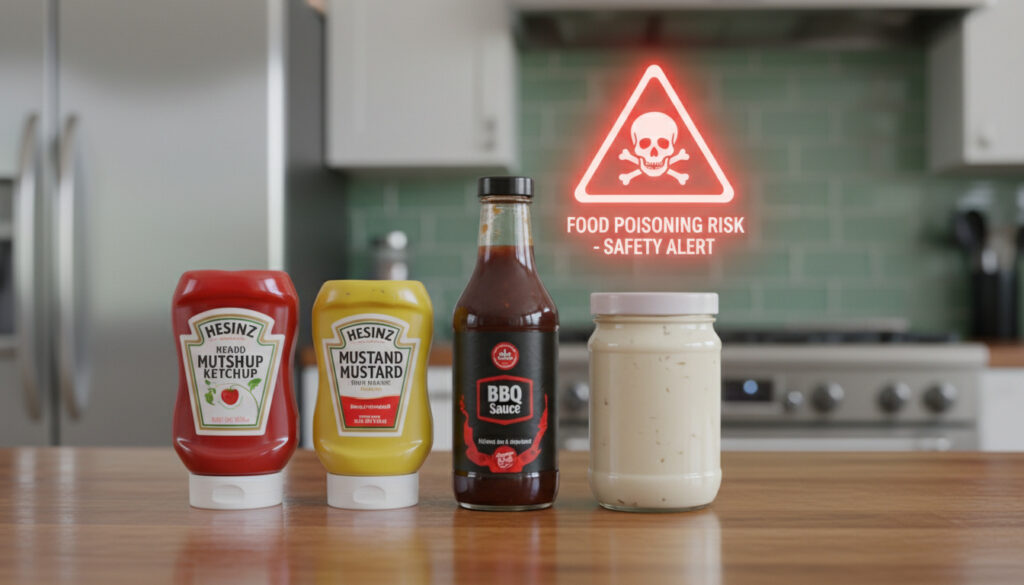
Which One of the Following Sauces Is a Risk for Food Poisoning? – Key Safety Facts
When faced with food safety quizzes or kitchen decisions, many people ask which common sauce presents the greatest food poisoning risk. The answer consistently points to mayonnaise prepared with raw eggs, though the reality involves nuanced distinctions between commercial and homemade preparations. Understanding these differences requires examining acidity levels, pasteurization processes, and temperature controls that determine whether your condiment remains safe or becomes a breeding ground for pathogens.
Food safety investigations reveal that sauces containing raw or undercooked eggs—particularly mayonnaise and hollandaise—carry documented risks of Salmonella contamination. However, commercial versions of these products undergo rigorous safety protocols that render them significantly safer than their homemade counterparts. Other pantry staples like soy sauce and ketchup pose minimal threats due to high acidity and manufacturing standards that inhibit bacterial growth.
The confusion often stems from historical outbreaks associated with mayonnaise-based salads, where the sauce itself was not the culprit but rather the interaction between acidic condiments and low-acid ingredients like potatoes or chicken when left in temperature danger zones. Modern food science has largely debunked the “mayonnaise myth” regarding commercial products, yet homemade preparations remain a legitimate concern for home cooks and food service professionals alike.
Which Sauces Are at Risk for Causing Food Poisoning?
Risk levels vary dramatically across sauce categories based on ingredient composition, acidity, and preparation methods. Raw egg emulsions present the highest hazards, while fermented or highly acidic condiments demonstrate remarkable resistance to pathogenic contamination.
Mayonnaise (Raw Egg)
Risk Level: High
Bacteria: Salmonella
Prevention: Pasteurize or use commercial alternatives
Hollandaise
Risk Level: High
Bacteria: Salmonella
Prevention: Cook thoroughly; prepare in small batches
Soy Sauce
Risk Level: Low
Bacteria: Rare occurrence
Prevention: Proper storage; refrigeration after opening
Ketchup
Risk Level: Low
Bacteria: Rare occurrence
Prevention: Refrigerate after opening; check acidity
Critical Safety Insights
- Homemade mayonnaise using unpasteurized eggs presents the primary Salmonella risk among common condiments.
- Commercial mayonnaise contains pasteurized eggs and maintains pH levels below 4.5, creating an environment hostile to pathogens.
- Temperature abuse—leaving sauces at room temperature for extended periods—represents the most common failure point in food safety protocols.
- Aioli and garlic-infused oils carry distinct botulism risks from Clostridium botulinum when stored improperly.
- Cream-based and cheese sauces risk Listeria contamination due to dairy content and neutral pH levels.
- Vulnerable populations including pregnant women, elderly individuals, children, and immunocompromised persons face elevated risks from contaminated sauces.
- Symptom onset typically occurs between 6 and 48 hours following ingestion of contaminated products.
| Fact Category | Specific Detail | Source Authority |
|---|---|---|
| Primary Risk Sauce | Homemade Mayonnaise (raw egg base) | Food Safety Standards |
| Main Pathogen | Salmonella spp. | CDC/FDA Guidelines |
| Safe Storage Temperature | Below 5°C (41°F) | USDA Food Safety |
| Danger Zone Range | 5°C to 60°C (41°F to 140°F) | Food Safety Authorities |
| Maximum Room Temperature Exposure | 2 hours (1 hour if above 90°F) | USDA/Accredited Training |
| Effective Bacterial Kill Mechanism | pH below 4.5 via acetic acid | PubMed Research |
| Commercial Product Safety | Pasteurized eggs + high acidity | Dressings & Sauces Association |
| Hollandaise Shelf Life | Immediate use; discard within 3-4 days if refrigerated | Food Safety Training |
| Botulism Risk Source | Garlic-infused oils (anaerobic conditions) | Accredited Food Courses |
| Symptom Incubation (Salmonella) | 12 to 72 hours post-exposure | Health Organizations |
Why Is Mayonnaise a Common Cause of Food Poisoning?
The association between mayonnaise and foodborne illness persists despite significant advances in commercial food safety. This reputation arises from the traditional preparation method involving raw, unpasteurized eggs combined with oil and acid, a combination that, when improperly handled, supports rapid bacterial proliferation.
The Role of Raw Eggs and Salmonella
Salmonella enterica represents the predominant threat in homemade mayonnaise, entering through eggshell contamination or infected ovarian tissue in laying hens. When raw eggs are emulsified with oil without subsequent heat treatment, the pathogen remains viable and multiplies exponentially in the nutrient-rich environment. Research from Minnesota Safe Food Training confirms that homemade preparations lacking pasteurization pose legitimate threats, particularly when held in the temperature danger zone between 5°C and 60°C.
Acidity as a Bacterial Inhibitor
Acetic acid from vinegar or lemon juice creates an antimicrobial environment when present in sufficient concentration. Commercial mayonnaise achieves pH levels around 4.4, effectively killing Salmonella, E. coli O157:H7, Listeria monocytogenes, Staphylococcus aureus, and Yersinia enterocolitica within minutes to hours. A study published in PubMed demonstrates that low pH combined with salt and acetic acid concentration provides the most effective pathogen reduction, rendering commercial products inherently safe regardless of storage temperature within reasonable limits.
Commercial mayonnaise maintains a pH below 4.5, typically targeting 4.4, which rapidly eliminates common foodborne pathogens. This acidic environment, combined with pasteurized eggs and salt, creates a hostile matrix where Salmonella cannot survive, explaining why no outbreaks have been directly linked to commercial acidic sauces when properly manufactured.
The Mayonnaise Myth in Mixed Dishes
Historical outbreaks attributed to mayonnaise actually resulted from the interaction between acidic condiments and low-acid ingredients like potatoes, pasta, or chicken. When mixed into salads, these neutral components dilute the protective acidity and provide additional nutrients for bacterial growth. North Carolina State University research clarifies that time-temperature abuse of these composite dishes—not the mayonnaise itself—causes illness, as the potato or chicken components offset the antimicrobial properties of the sauce.
How Can You Prevent Food Poisoning from Sauces?
Prevention strategies focus on ingredient selection, temperature management, and storage protocols that eliminate opportunities for bacterial proliferation. Commercial products offer inherent safety advantages, while homemade preparations require strict adherence to food safety principles.
Temperature Control Protocols
Maintaining sauces outside the danger zone of 5°C to 60°C (41°F to 140°F) constitutes the primary defense against foodborne illness. Perishable items should be refrigerated below 5°C or held hot above 60°C. Food safety training programs emphasize discarding any perishable sauces left at room temperature for more than two hours, or one hour if ambient temperatures exceed 90°F (32°C). This rule applies strictly to homemade mayonnaise, hollandaise, and aioli, which lack commercial preservatives and stabilizers.
Ingredient Safety and Pasteurization
Using pasteurized eggs for homemade mayonnaise and hollandaise eliminates the primary vector for Salmonella contamination. Commercial pasteurization heats eggs to temperatures that kill pathogens without cooking the product, rendering them safe for raw preparations. For acidified sauces, adding sufficient vinegar or lemon juice to achieve pH below 4.6 provides additional protection, though this requires pH testing equipment for accuracy in home kitchens.
Bacteria multiply rapidly between 5°C and 60°C (41°F to 140°F). Homemade sauces containing eggs or dairy should never remain in this range for more than two hours. When preparing Bluey’s World Brisbane – Guide to Tickets, Location and Hours style outdoor events or buffets, keep sauces on ice or heated trays to maintain safe temperatures.
Storage Guidelines and Spoilage Indicators
Homemade mayonnaise, hollandaise, and aioli require immediate refrigeration and should be used within three to four days. Visual and olfactory indicators of spoilage include sour odors, separation of emulsions, bubbling (indicating fermentation), mold growth, or color changes. Industry guidelines note that commercial products follow rigorous quality controls that exempt them from certain acidified food regulations due to their inherent safety profiles, but once opened, they should be treated according to manufacturer instructions.
What Are Symptoms of Sauce-Related Food Poisoning?
Illness resulting from contaminated sauces manifests through gastrointestinal distress, with severity and onset timing varying by pathogen type and individual susceptibility. While specific symptomatology varies by bacterial species, general patterns emerge from Salmonella contamination associated with egg-based sauces.
Onset and Clinical Presentation
Symptoms typically develop within 6 to 48 hours following consumption of contaminated products, though Salmonella specifically may incubate for 12 to 72 hours. Clinical presentation includes nausea, vomiting, abdominal cramps, diarrhea, and fever. The duration generally spans 4 to 7 days for healthy adults, though immunocompromised individuals may experience prolonged or severe complications requiring medical intervention.
High-Risk Populations
Pregnant women, elderly individuals, young children, and those with compromised immune systems face elevated risks of severe outcomes from sauce-borne pathogens. These groups should avoid homemade mayonnaise, hollandaise, and raw egg preparations entirely, opting instead for commercially prepared alternatives that undergo pasteurization and quality control testing.
Pregnant women, elderly individuals, children under five, and immunocompromised persons should strictly avoid homemade sauces containing raw eggs or unpasteurized dairy. Commercial alternatives provide necessary safety margins through pasteurization and acidity control, significantly reducing the risk of severe Salmonella or Listeria infections that can lead to hospitalization.
How Does Sauce Contamination Progress Over Time?
Understanding the temporal progression of bacterial contamination helps identify critical intervention points. The timeline from preparation to illness follows predictable stages influenced by temperature and ingredient selection.
- Preparation Phase: Risk initiates immediately when raw, unpasteurized eggs contact other ingredients. At this stage, bacterial load remains low but present if contaminated eggs are used.
- Temperature Abuse (>2 hours): When held between 5°C and 60°C, Salmonella and other pathogens enter exponential growth phases, doubling populations every 20 minutes under optimal conditions.
- Symptom Onset (6-48 hours): Following ingestion of contaminated sauce, bacterial toxins or invasive organisms trigger inflammatory responses in the gastrointestinal tract, producing characteristic food poisoning symptoms.
- Recovery Period (4-7 days): Healthy immune systems typically clear the infection within one week, though post-infectious irritable bowel syndrome may persist in some cases.
What Is Established Versus Uncertain About Sauce Safety?
Scientific consensus exists regarding several core principles of sauce safety, while certain areas remain subject to individual variation or require further investigation.
Established Facts
- Raw egg sauces carry documented Salmonella risks recognized by FDA and USDA standards.
- Commercial mayonnaise with pH below 4.5 poses negligible foodborne illness risk.
- Temperature control between 5°C and 60°C represents the critical factor in preventing bacterial proliferation.
- Acidity effectively kills pathogens when pH falls below 4.6 combined with sufficient acid concentration.
- No outbreaks have been directly linked to properly manufactured commercial acidic sauces.
Uncertain or Variable Factors
- Exact quiz question options vary by testing organization; “mayonnaise” typically serves as the correct answer in general food safety quizzes.
- Individual susceptibility to Salmonella varies based on immune status, stomach acidity, and prior exposure.
- Precise pH levels in homemade preparations without testing equipment remain unknown.
- Cross-contamination rates in home kitchens depend on specific hygiene practices and cannot be universally quantified.
Why Do Safety Questions Focus on Mayonnaise?
The emphasis on mayonnaise in food safety education stems from historical confusion between commercial and homemade preparations. Early twentieth-century cookbooks advocated for raw egg mayonnaise without understanding Salmonella risks, creating generational knowledge gaps that persist today. The widespread “mayonnaise myth”—the belief that commercial mayo spoils quickly—actually obscures the genuine risk present in homemade versions.
Food safety quizzes and certification exams consistently identify mayonnaise as the high-risk option among common condiments because it represents the most frequent vehicle for egg-related Salmonella transmission in home settings. While soy sauce and ketchup present theoretical risks if grossly contaminated, their high acidity and manufacturing processes eliminate the probability of pathogenic survival. Understanding this distinction helps home cooks prioritize safety efforts toward proper handling of egg-based emulsions rather than fearing shelf-stable commercial products.
The confusion intensifies when considering mixed dishes like potato salad or chicken salad, where mayonnaise serves as a visible ingredient associated with subsequent illness. As noted in food safety myth analyses, the potato or chicken components actually provide the growth medium for bacteria when these composite foods are temperature-abused, yet the mayonnaise receives the blame due to its egg content.
What Do Food Safety Authorities Say?
Regulatory bodies and academic institutions provide clear guidance distinguishing between commercial safety and homemade risks. Their consensus supports the use of pasteurized ingredients and strict temperature controls.
Egg-based sauces like mayonnaise risk Salmonella contamination if prepared with unpasteurized eggs or subjected to temperature abuse in mixed dishes.
FDA Food Safety Guidelines (paraphrased)
Refrigeration of perishable sauces within two hours of preparation remains essential for preventing bacterial proliferation.
CDC Food Safety Recommendations (paraphrased)
USDA Food Safety and Inspection Service confirms that commercial mayonnaise does not cause foodborne illness when properly handled, attributing historical outbreaks to other ingredients or improper storage. This position aligns with peer-reviewed research demonstrating the bactericidal effects of acetic acid and low pH environments.
What Should You Remember About Sauce Safety?
Mayonnaise prepared with raw eggs presents the primary food poisoning risk among common sauces, while commercial alternatives offer safety through pasteurization and acidity. Hollandaise and homemade aioli share similar risk profiles requiring careful temperature management and immediate consumption. Soy sauce and ketchup pose minimal threats due to inherent antimicrobial properties. When evaluating financial or business risks related to food service operations, understanding these safety principles proves as valuable as analyzing a Cash Flow Statement – Complete Guide to Reading and Analysis. Prevention relies on using pasteurized eggs, maintaining refrigeration below 5°C, discarding perishables left at room temperature for more than two hours, and recognizing that vulnerable populations require additional protective measures against Salmonella and Listeria contamination.
Common Questions About Sauce Safety
What bacteria is associated with raw egg sauces?
Salmonella enterica represents the primary pathogen in raw egg sauces, particularly homemade mayonnaise and hollandaise. Other potential contaminants include Listeria monocytogenes in dairy-based sauces and Clostridium botulinum in garlic-infused oils stored under anaerobic conditions.
How long can sauces be left out before risking bacteria?
Perishable sauces containing eggs or dairy should not remain at room temperature for more than two hours. If ambient temperatures exceed 90°F (32°C), this window reduces to one hour. After these intervals, bacterial loads may reach dangerous levels.
Is commercial mayonnaise safe from Salmonella?
Commercial mayonnaise uses pasteurized eggs and maintains pH levels below 4.5, effectively eliminating Salmonella risk. No outbreaks have been directly linked to properly manufactured commercial acidic sauces.
Does hollandaise sauce cause food poisoning?
Homemade hollandaise poses high food poisoning risk due to raw eggs and low acidity. However, versions prepared with pasteurized eggs and proper temperature control carry significantly lower risk. Commercial preparations follow safety standards that minimize hazards.
Can garlic-infused oil cause food poisoning?
Yes, garlic-infused oils present specific botulism risks from Clostridium botulinum spores. Garlic’s low acidity combined with anaerobic oil environments creates ideal conditions for toxin production. Commercial products contain acidifying agents, but homemade versions require refrigeration and immediate use.
Why is ketchup considered low risk for food poisoning?
Ketchup’s high acidity, typically from vinegar, inhibits bacterial growth similarly to commercial mayonnaise. The acidic environment prevents pathogen survival, making ketchup one of the safest condiments regarding foodborne illness risk.
More related posts
 Danny DeVito: Height, Health, Marriage & Career Facts
 Target Mt Druitt: Hours, Address, Phone, Reviews & Guide
 Virtual Assistant Jobs – Start With No Experience
 Cash Flow Statement – Complete Guide to Reading and Analysis
 Fair Work Information Statement – Complete Guide for Employers
 Olivia Newton-John: Cause of Death, Funeral & Estate Explained
 Bose Ultra Open Earbuds – Specs Sound Battery Worth It
 VW ID Buzz Ireland: Price, Range, Features & Facts